


Why Autumn Rewards the Slow Walker
There is a particular stillness in a British wood in late September, when the first proper rain has soaked the leaf litter and the air smells of damp bark and decaying beech mast. This is the season that Nordic walkers call the best of the year — the time of friluftsliv, of moving slowly outdoors with no particular destination. And it is the time when the fungi arrive.
If you have ever wanted to learn to forage, autumn is when the woods are most generous and most forgiving. You do not need to know a hundred species. You need three or four you can recognise with total confidence, a basket, and a willingness to walk at half your usual pace and look down more than forward.
Before You Set Out: Kit and Ground Rules
Fungi fruit in flushes, usually two or three days after steady rain, when the ground is still damp and daytime temperatures sit around ten to fifteen degrees. The first hard frosts shut most of it down, though a few species carry on regardless.
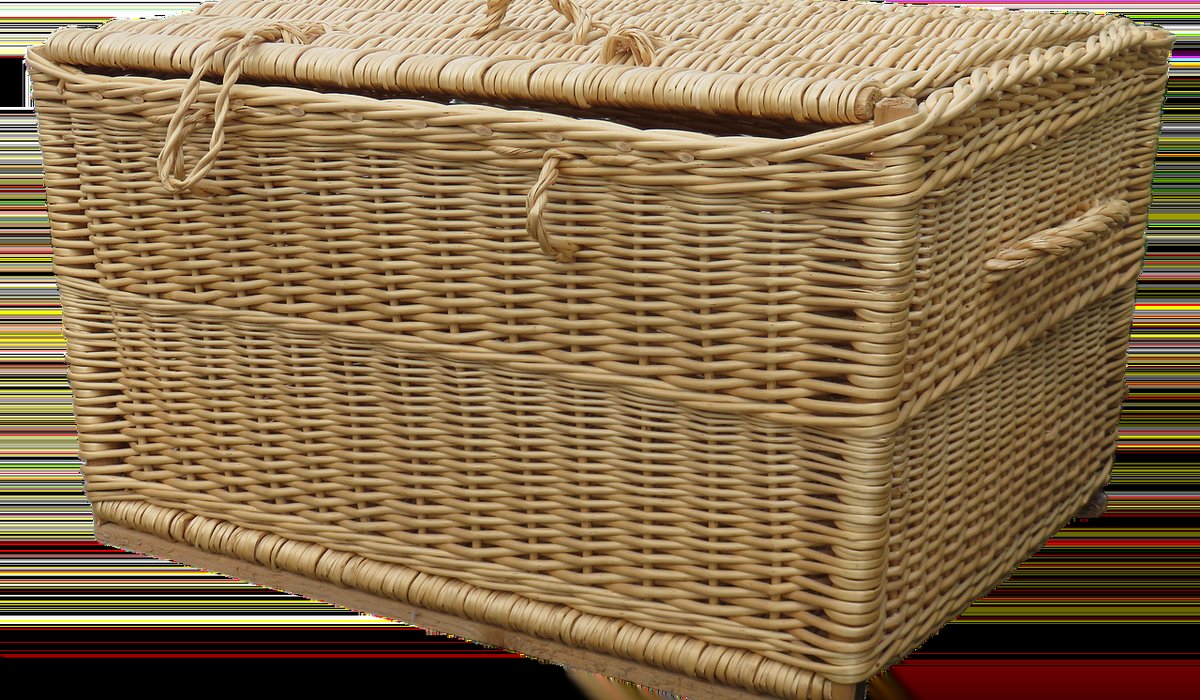
- A wicker basket or a cotton or mesh bag — plastic bags sweat and reduce a good find to mush within the hour
- A small sharp knife and a soft brush for cleaning grit off in the field
- Sturdy boots, a waterproof, and a hand lens or a phone camera for record shots
- A notebook, or a note on your phone: what, where, what trees, what date
On public footpaths and open access land, gathering a modest amount of fungi for personal use is generally accepted, but the rules vary between the four nations and between sites. Never forage on a Site of Special Scientific Interest or in a nature reserve without explicit permission, always ask before picking on private land, and never uproot a fungus — cut it cleanly at the base or twist it free. Take only what you will genuinely eat, and leave the rarest and the oldest specimens where they stand. A small number of British fungi are legally protected, and the mycelium beneath your feet is the part that matters most.
Hedgehog Fungus: The Spiky One You Can Trust
If there is one autumn species to learn first, it is the hedgehog fungus, Hydnum repandum. Look for a creamy, apricot-tinged cap, irregular and often lobed rather than neat, growing in leaf litter beneath beech, oak, birch or pine. Turn it over and the identification becomes almost self-checking: instead of gills there is a dense layer of soft, brittle spines, like the underside of a sea urchin. Those spines are the reason beginners are encouraged to start here — no common British species with spines is seriously dangerous, which is a rare comfort in a pastime full of lookalikes.
Its cousin the terracotta hedgehog is smaller and more orange, with a thinner stem, and is excellent in soups. Both have a firm, nutty, slightly sweet flesh that holds its shape beautifully — quite unlike the slimy collapse of some wild mushrooms. Choose young, firm specimens; older ones turn bitter and crumbly. Late August through to November is the window, and they shrug off a light frost better than most.
Puffballs: A Beginner's Best Friend
Puffballs are the other reliable autumn find. The common puffball forms pear-shaped, pearly bodies covered in tiny warts, often in troops along woodland rides and mossy banks. The giant puffball, football-sized and startlingly white, prefers meadows, hedge banks, verges and dune grassland.
Every puffball comes with one absolute rule: slice it in half, top to bottom. Inside it must be pure, uniform, marshmallow-white, like a firm mozzarella. If it has begun to yellow, brown or show any internal structure or dust, leave it. It is past its best.
- Earthballs are the danger here. They are poisonous, often growing in the same woods, and reveal themselves the moment you cut: a thick, leathery rind and a purple-black interior, never white.
- Immature Amanita eggs can look convincingly like small puffballs. Cutting is the test — a puffball is uniform all through, while an Amanita button shows the faint outline of cap, gills and stem forming inside.
- Freshness matters. Puffballs do not keep. Cook them the day you pick them, and cook them thoroughly.
Where Woodland Meets the Coast
Some of the loveliest autumn foraging happens where trees meet salt air. On Nordic-style coastal walks — pine belts behind dunes, sycamore and ash on sheltered cliff slopes — hedgehog fungus turns up on sandy, acidic soils, and common puffballs appear in grazed dune grassland and short cliff-top turf. The mild maritime climate stretches the season later than inland woods, and a light sea fret seems to do the fungi no harm at all.
Make a proper day of it. Walk the strandline for dulse and kelp, look for sea buckthorn heavy with orange berries in the dunes, and take a handful of rock samphire from the cliff path where it is abundant. A basket that mixes woodland and shore is the most Nordic thing of all.
From Basket to Plate — and Always Ask an Expert
Clean your finds as you walk, brush rather than wash, and keep species separate so nothing bruises. Hedgehog fungus is superb simply sliced and fried in butter with a little thyme; puffballs want thick slices, a hot pan and a crisp golden crust.
Then the rule that matters more than any other. Always have your identification confirmed by an expert — a local fungus group, a county recorder or an experienced forager — before anything reaches a plate. Photograph the cap, the underside, the stem and the surrounding habitat, and note the trees nearby, because those details are what identification turns on. Try only a small amount of any new species the first time, even a confirmed one, as individual tolerances vary.
If there is any doubt at all, leave it. The point of this kind of walking is not the haul. It is the hour spent crouched over leaf litter with cold hands and a full basket, learning a wood one mushroom at a time.


Leave a reply