


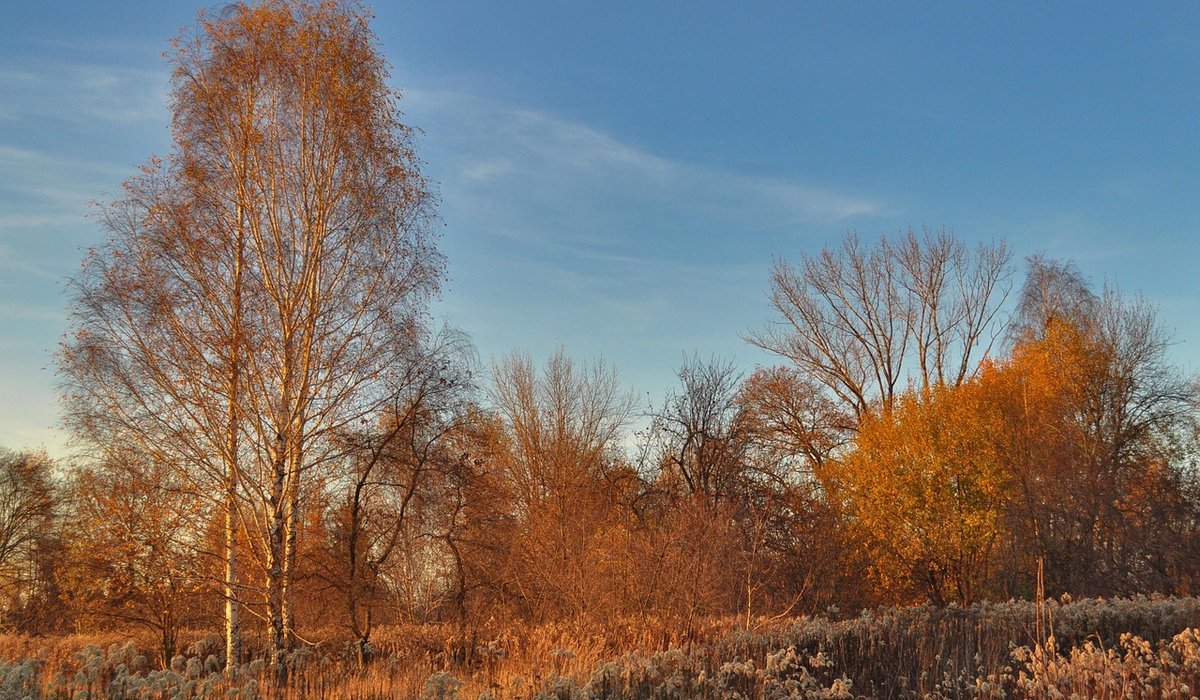
Small pots, deep woodland
Nordic-inspired woodland living has very little to do with owning acres of birch and pine. It is really a way of eating: small handfuls of intensely aromatic leaves, picked fresh, used within the hour. For anyone with a patio, a balcony or a paved back yard, the trick is to accept that woodland plants are not sun-worshippers. They want cool roots, dappled light and compost that smells of a forest floor. Get those three things right in a container and sweet cicely, wood sorrel and wild strawberry will settle in happily for years, long after the supermarket herb pots have given up.
Getting the compost right: leafmould first
Leafmould is the single best thing you can give these plants, and it is free. Gather fallen leaves in autumn, stuff them into black bin liners, punch a few drainage holes in the sides, tie the tops loosely and leave them behind a shed for a year or two. Oak, beech and hornbeam break down slowly; lime, hazel and sycamore are ready much sooner. When the contents crumble into a dark, crumbly, faintly mushroomy material, sieve it and you have gold.
- Two parts sieved leafmould for that soft, faintly acidic woodland texture.
- One part garden compost or soil-based peat-free compost for body and nutrients.
- One part horticultural grit so water never sits around the crowns in winter.
Aim for a mix that holds moisture but drains freely. Terracotta pots look right and breathe well, but they dry out fast, so line the inside with a sheet of plastic or keep the pots grouped together in shade. Always use deep pots for deep-rooted perennials, and make sure every container has crocks or gravel in the base.
Sweet cicely: the tall, gentle aniseed
Sweet cicely is the backbone of a woodland pot. It is a hardy British perennial with soft, ferny, apple-green leaves that taste gently of aniseed, and it earns its place in the kitchen by allowing you to cut the sugar in rhubarb, gooseberry and plum dishes by roughly half. Give it a pot at least 30cm deep to accommodate its taproot, site it in partial shade and keep it consistently moist. Sow fresh seed in autumn — it needs a cold spell to germinate and can be maddeningly erratic, so buy a young plant if you would rather not wait. Cut the flower stems out before they set seed if you want tender leaves all summer; leave a few and it will self-seed obligingly around the patio.
Wood sorrel: small, shy and worth the patience
Wood sorrel is the woodland floor in miniature: a carpet of soft, clover-like trefoil leaves with a clean, sharp lemon tang. Use it sparingly, raw, torn over fish, salads or woodland soups. It spreads by creeping rhizomes, so a wide, shallow pot of around 15cm depth suits it far better than a tall one. Plant it in the leafiest mix you can make and place it where it gets shade for most of the day. Do not panic when it vanishes in midsummer — it is going dormant, not dying. Keep the pot shaded and just barely damp, and it will reappear with the autumn rains. Note that its oxalic acid is best avoided by anyone with gout or kidney stones, and it is worth keeping portions modest for everyone else.
Wild strawberry: the sweetest reward
Wild strawberry is the one that converts sceptics. The fruits are the size of a fingernail and taste far more concentrated than anything you will buy. It runs freely by runners, so a stone trough, a strawberry planter or a wide bowl of gritty leafmould suits it perfectly. Give it sun for half the day and sharp drainage, and it will fruit from June into September. Peg the runners into small pots of their own to build up stock, and trim older leaves in early spring to keep the crown airy.
Watering, feeding and a nod to the coast
Rainwater from a butt is ideal; these plants dislike the lime in hard tap water. Water in the early morning, and mulch the surface of each pot with a centimetre of fresh leafmould in spring. Feed lightly — a dilute comfrey or seaweed feed once a fortnight from April to July is ample. Watch for slugs and vine weevil, and check the rims of pots after rain.
If you walk the coast path, you will see these plants in the wild: wild strawberry on cliff-top turf and heathland edges, wood sorrel in the shaded hedge banks just inland, sweet cicely on verges and in old cottage gardens. Take a leaf or two from abundant stands, never dig a plant up, avoid nature reserves and anywhere dogs are walked, and only pick what you can identify with absolute certainty. The pot on your patio is the safer teachers' patch — and the coastal path, walked slowly with a sharp eye, is the best field guide you will ever own.


Leave a reply